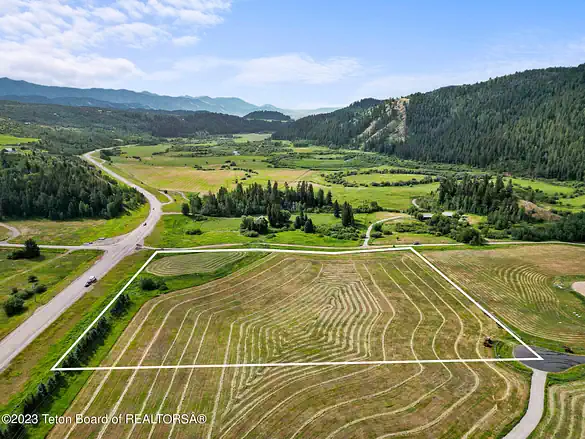
Wyoming, often dubbed as the “Equality State” and renowned for its rugged landscapes, vast open spaces, and abundant natural beauty, presents a unique opportunity for those looking to invest in land. With its diverse terrain ranging from majestic mountains to expansive plains, Wyoming offers a wealth of opportunities for buyers and sellers alike. If you’re considering Sell land in Wyoming, here’s what you need to know to make the most of this lucrative venture.
-
Understand the Market Dynamics: Before listing your land for sale, it’s crucial to understand the current market dynamics in Wyoming. Factors such as location, accessibility, proximity to amenities, and potential land use all play a significant role in determining the value of your property. Conduct thorough research or consult with local real estate experts to gain insights into the market trends and pricing strategies.
-
Highlight Unique Features: Wyoming boasts a plethora of unique features that make it an attractive destination for buyers. Whether it’s the stunning views of the Grand Tetons, the vast expanses of the Yellowstone National Park, or the abundance of recreational activities such as hunting, fishing, and hiking, emphasizing the distinctive qualities of your land can significantly enhance its appeal to potential buyers.
-
Know the Zoning Regulations: Zoning regulations and land-use restrictions vary across different regions in Wyoming. Familiarize yourself with the local zoning ordinances and regulations governing your property to ensure compliance and avoid any legal complications during the selling process. Understanding the permissible uses and development potential of your land can also help attract buyers with specific needs or interests.
-
Market Your Land Effectively: Utilize various marketing channels to reach a wide audience of potential buyers. From online listings and social media platforms to targeted advertisements in local newspapers or real estate publications, explore different avenues to showcase your land’s potential and attract interested parties. High-quality photographs, detailed descriptions, and virtual tours can also provide prospective buyers with a comprehensive understanding of your property.
-
Consider Working with a Real Estate Professional: Selling land in Wyoming can be a complex process, especially for those unfamiliar with the local market dynamics and legal requirements. Consider partnering with a reputable real estate agent or broker who specializes in land sales. An experienced professional can offer valuable insights, handle negotiations, streamline the transaction process, and ultimately help you achieve the best possible outcome.
-
Be Transparent and Responsive: Transparency and communication are key factors in building trust with potential buyers. Provide accurate information about the property, including any potential challenges or limitations, upfront to avoid misunderstandings later on. Additionally, be prompt and responsive to inquiries from interested parties, addressing their concerns and questions in a timely manner to demonstrate your commitment as a seller.
-
Stay Informed About Tax Implications: Selling land in Wyoming may have tax implications, including capital gains tax or property transfer taxes. Stay informed about the tax laws and regulations applicable to real estate transactions in the state, and consult with a tax advisor or financial professional to understand the potential tax consequences of selling your land.
-
Be Patient and Flexible: Selling land, like any real estate transaction, requires patience and flexibility. It may take some time to find the right buyer who aligns with your asking price and terms. Be prepared to negotiate and consider reasonable offers, while also remaining flexible with regards to closing timelines and other transaction details.
In conclusion, selling land in Wyoming offers a unique opportunity to capitalize on the state’s natural beauty, recreational attractions, and diverse landscapes. By understanding the market dynamics, highlighting unique features, complying with zoning regulations, effectively marketing your land, working with real estate professionals, maintaining transparency, staying informed about tax implications, and demonstrating patience and flexibility, you can maximize the potential value of your land and achieve a successful sale in this captivating state.