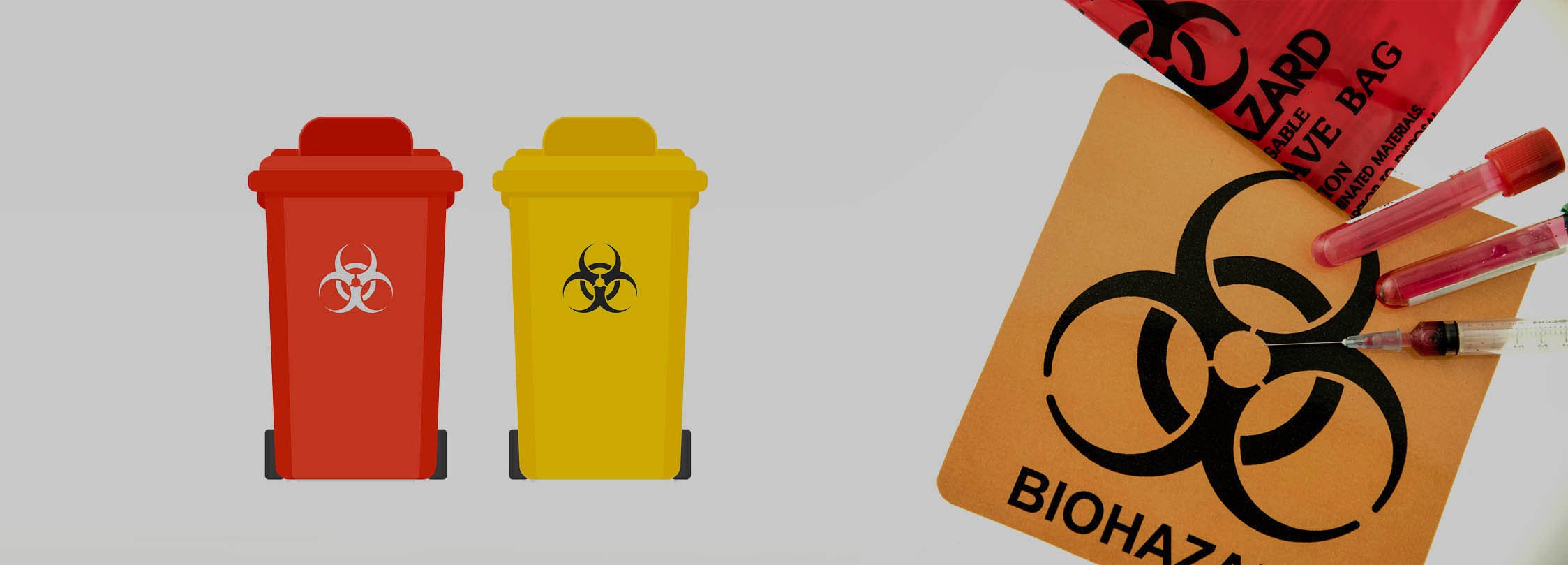
Medical waste disposal is an integral aspect of healthcare facilities, ensuring the safe and proper disposal of various materials produced during medical procedures. As the field of medicine continues to advance, so does the generation of medical waste, which includes materials such as used needles, surgical gloves, blood-soaked bandages, and expired pharmaceuticals. This waste poses significant health and environmental risks if not managed effectively. Consequently, the proper management and disposal of medical waste have become a critical concern for healthcare providers, governments, and communities worldwide.
Effective medical waste disposal involves several stages, including segregation and collection, storage, transportation, treatment, and final disposal. Each step is essential to minimize exposure to potentially infectious or hazardous waste and ensure compliance with local regulations. In recent years, there has been a growing emphasis on adopting environmentally sustainable practices in medical waste management to reduce the impact on ecosystems. This article explores the challenges associated with medical waste disposal, highlights the importance of proper management strategies to safeguard public health and the environment, and discusses innovative approaches that promote sustainability in this crucial aspect of healthcare.
Challenges in Medical Waste Disposal
Medical waste disposal poses numerous challenges due to the unique nature of the waste produced in healthcare facilities. One of the primary challenges is ensuring proper segregation and collection of different types of medical waste. Healthcare providers must establish clear guidelines and train their staff on the correct sorting and disposal methods to prevent the mixing of hazardous and non-hazardous waste. Furthermore, the storage of medical waste requires special attention to prevent leakage or contamination that could pose risks to healthcare workers, patients, and the environment.
Transportation is another critical stage in medical waste disposal that presents challenges. Properly sealed and labeled containers are necessary to avoid spillage or exposure during transit. Additionally, transporting medical waste to treatment facilities must comply with specific regulations and safety measures to prevent accidents or incidents that could impact local communities. For example, Hazardous waste disposal Austin ensures adherence to strict transportation protocols, safeguarding both public health and the environment.
Promoting Sustainable Medical Waste Management
In recent years, there has been a growing recognition of the need for sustainable practices in medical waste management. Healthcare providers are exploring innovative approaches to minimize the environmental impact of medical waste disposal while still maintaining safety standards. One such approach is implementing recycling programs for certain materials, such as plastics and glass, which can be safely recycled instead of being sent for incineration or landfill.
Hazardous waste disposal Austin incorporates sustainable practices by utilizing advanced technologies for the treatment and disposal of medical waste. These technologies include autoclaving, which sterilizes and shreds infectious waste for safe disposal, and energy recovery systems that convert waste into heat or electricity. By embracing these sustainable methods, healthcare facilities can reduce their carbon footprint and contribute to a cleaner environment.
In conclusion, medical waste disposal is a critical aspect of healthcare that requires careful attention and proper management. The challenges associated with medical waste disposal include segregation and collection, storage, and transportation. Healthcare providers must establish guidelines and train their staff to ensure the correct sorting and disposal methods, while also preventing leakage or contamination during storage. Transportation of medical waste must comply with regulations to prevent accidents or incidents that could impact communities.
To promote sustainable practices in medical waste management, healthcare providers are exploring innovative approaches such as recycling certain materials and utilizing advanced technologies for treatment and disposal. These sustainable methods, such as autoclaving and energy recovery systems, not only ensure the safe disposal of medical waste but also reduce the carbon footprint and contribute to a cleaner environment.
Overall, proper medical waste disposal is crucial for safeguarding public health and protecting the environment. It is essential for healthcare providers, governments, and communities to work together to develop and implement effective strategies that prioritize both safety and sustainability in managing medical waste.