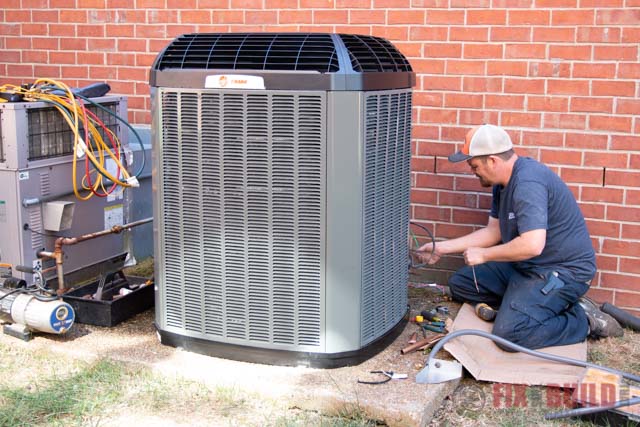
Heat pumps are an essential component of many residential and commercial heating and cooling systems. These devices work by transferring heat energy from the air, ground, or water source to either cool or warm the desired space. Over time, however, heat pumps may start to underperform or become inefficient due to wear and tear, lack of maintenance, or advancements in technology. In such cases, it becomes necessary to consider a heat pump replacement to ensure optimal heating and cooling efficiency in your building.
Replacing an old or malfunctioning heat pump not only improves energy efficiency but also provides benefits such as increased comfort, reduced repair costs, and lower energy bills. This article explores the signs that indicate the need for a heat pump replacement and the process involved in replacing these devices. By understanding when to replace a heat pump and what factors to consider during the replacement process, individuals can make informed decisions that will result in long-term comfort and cost savings.
Signs That Indicate the Need for a Heat Pump Replacement
There are several signs that can indicate the need for a heat pump replacement. One common sign is reduced heating or cooling capacity. If you notice that your heat pump is no longer able to maintain a comfortable temperature in your building, it may be time to consider a replacement. Another sign to look out for is increased energy bills. A heat pump that is old or inefficient will consume more energy to provide the same level of heating or cooling, resulting in higher utility costs.
In addition, frequent repairs can be a sign that your heat pump is nearing the end of its lifespan. As heat pumps age, their components begin to wear out, leading to more frequent breakdowns and the need for costly repairs. By investing in a heat pump replacement, you can avoid these repair costs and enjoy a more reliable and efficient heating and cooling system. Furthermore, advancements in technology have led to more energy-efficient heat pump models. By upgrading to a newer model, you can take advantage of these technological advancements and achieve greater energy savings in the long run.
The Process Involved in Replacing a Heat Pump
The process of replacing a heat pump involves several key steps. First, it is important to assess the needs of your building and determine the appropriate size and type of heat pump for your space. Consulting with a professional HVAC technician can help ensure that you select the right heat pump for optimal performance.
Once the new heat pump has been chosen, the next step is the actual installation. This typically involves removing the old heat pump and replacing it with the new unit. Depending on the complexity of the installation, this process may require professional expertise to ensure proper connections and functionality.
After installation, it is crucial to properly maintain and service the new heat pump. Regular maintenance, such as cleaning or replacing filters and inspecting the system for any issues, can help prolong the lifespan and maximize the efficiency of your heat pump. Additionally, scheduling routine maintenance visits with a professional technician will allow for early detection of any potential problems and ensure that your heat pump operates at its best.
In conclusion, replacing an old or malfunctioning heat pump is a necessary step to maintain optimal heating and cooling efficiency in your building. Signs that indicate the need for a heat pump replacement include reduced heating or cooling capacity, increased energy bills, and frequent repairs. By investing in a replacement, individuals can enjoy increased comfort, reduced repair costs, and lower energy bills. The process of replacing a heat pump involves assessing the needs of your building, selecting the appropriate size and type of heat pump, installation by a professional technician, and ongoing maintenance to prolong the lifespan and maximize efficiency. By making informed decisions and properly maintaining the new heat pump, individuals can ensure long-term comfort and cost savings.