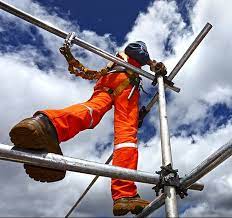
Working at height is a common occurrence in many industries, including construction, maintenance, and logistics. Whether it’s repairing a rooftop, installing window panels on a high-rise building, or operating heavy machinery at elevated heights, working at height poses unique challenges and risks that need to be addressed. It is crucial for workers to be aware of these risks and take appropriate precautions to ensure their safety.
Working at height involves any activity where there is a potential to fall from one level to another, whether it’s from a structure, equipment, or elevated platform. This could include working on ladders, scaffolds, elevated platforms, or near open edges. Falls from height are one of the leading causes of serious injuries and fatalities in the workplace, making it essential for employers and employees to prioritize safety measures when working at heights. This article will explore the various hazards, safety measures, and best practices associated with working at height, equipping workers with the knowledge they need to effectively mitigate risks and prevent accidents.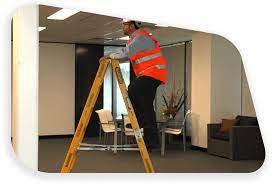
Three Simple Rules to Follow when Working at Height
Working at height can be dangerous if proper precautions are not taken. To ensure safety, there are three simple rules that workers should follow. The first rule is to assess the risks before starting any work. This involves identifying potential hazards and implementing appropriate control measures. The second rule is to use the right equipment for the job. This includes using ladders, scaffolding, or other elevated work platforms that are in good condition and have been properly inspected. The third rule is to ensure adequate training and supervision. Workers should be trained on how to work safely at height and should be supervised to ensure they are following the correct procedures.Discover more about these three simple rules for working at height and enhance your understanding of how to prevent accidents and injuries.
In conclusion, working at height requires a proactive and cautious approach to ensure the safety of workers. By following three simple rules – assessing risks, using the right equipment, and providing adequate training and supervision – workers can significantly reduce the potential for accidents and injuries. It is essential for both employers and employees to prioritize safety measures and stay updated on best practices. By doing so, we can create a safer working environment and minimize the risks associated with working at height.