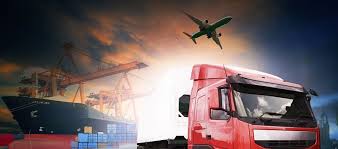
Interstate freight transport plays a crucial role in the logistics industry, ensuring the efficient movement of goods across state borders. With the growth of e-commerce and global trade, the demand for interstate freight transport has never been higher. From trucks to trains to ships, there are various modes of transportation used to move goods between states, each with its own advantages and challenges.
As businesses look to streamline their supply chains and reduce transportation costs, understanding the intricacies of interstate freight transport is essential. Factors such as regulations, infrastructure, and technology all play a role in shaping how goods are transported between states. In this article, we will explore the different modes of interstate freight transport, the challenges they face, and how businesses can optimize their supply chains to take advantage of this vital aspect of the logistics industry.
The Role of Interstate Freight Transport in Modern Logistics
Interstate freight transport is a crucial component of the modern logistics industry, facilitating the movement of goods between states efficiently and cost-effectively. With the rise of e-commerce and global trade, the demand for reliable interstate freight transport services has never been higher. Businesses rely on a variety of transportation modes, including trucks, trains, and ships, to ensure that their products reach customers in different states in a timely manner. As companies strive to optimize their supply chains and reduce transportation costs, understanding the complexities of interstate freight transport becomes increasingly important. By leveraging the expertise of providers such as Interstate Freight Transport Melbourne, businesses can streamline their operations and enhance their competitive edge in today’s fast-paced market.

Challenges and Opportunities in Interstate Freight Transport
The landscape of interstate freight transport is constantly evolving, presenting both challenges and opportunities for businesses looking to expand their operations across state borders. Regulations governing interstate commerce, as well as infrastructure limitations and advancements in technology, all influence how goods are transported between states. Understanding these factors is essential for businesses seeking to navigate the complex logistics of interstate freight transport successfully. By partnering with experienced service providers like Interstate Freight Transport Melbourne, companies can access specialized knowledge and resources to overcome challenges, optimize their supply chains, and capitalize on the opportunities presented by interstate logistics.
By leveraging the expertise of seasoned providers, businesses can navigate the dynamic landscape of interstate freight transport and overcome obstacles such as regulatory hurdles and infrastructure constraints. With the right strategies in place, companies can optimize their supply chains, reduce transportation costs, and enhance their competitive edge in today’s market. As technology continues to advance, businesses must stay informed and adaptable to capitalize on the ever-evolving opportunities in interstate freight transport. Overall, understanding the nuances of this critical aspect of the logistics industry is essential for businesses seeking to thrive in an increasingly interconnected world.